
Maybe

Julie: Since the U.S.-Israeli strikes on Iran began, a song has been running through my head:
War
What is it good for?
Absolutely nothing
War
What is it good for?
Absolutely nothing
Say it again, y’all
Edwin Starr’s 1970 Vietnam commentary feels right to me at this moment. And yet when I saw my Iranian-American hair dresser last weekend, she was in excellent spirits - worried for her family back in Iran but also celebrating the end of the repressive regime. She is not alone.
It reminded me of the Zen Story: Maybe.
🌿 The Zen Story: Maybe
An old farmer lived in a small village. One day his horse ran away.
The neighbors came by and said,
“Such bad news! Your horse is gone.”
The farmer replied,
“Maybe.”
The next day, the horse returned — and brought with it several wild horses.
The neighbors said,
“What good news! You are now rich with horses!”
The farmer said,
“Maybe.”
The following day, his son tried to ride one of the wild horses, was thrown off, and broke his leg.
The neighbors said,
“How terrible! Such bad luck.”
The farmer replied,
“Maybe.”
A week later, the army came through the village to conscript all able-bodied young men for war. Because the farmer’s son had a broken leg, he was passed over.
The neighbors said,
“How fortunate! What very good news.”
The farmer said,
“Maybe.”
Traci: That story feels so appropriate for how I’m feeling about what’s happening in the Middle East right now.
As with virtually anything this administration does, it feels impulsive and chaotic, and it seems unclear what we are trying to accomplish and therefore, how we’ll know when we’ve “won.” That seems hard to celebrate. And our history of swift and contained engagements in the Middle East is not great.
On the other hand, as we have watched the rise of Christofascism here in the US, I have been haunted by thoughts of what life was like for women in Iran prior to the revolution. It’s truly shocking to see how easily and quickly women lost virtually all rights, and has been a cautionary tale as I watch the steps MAGA leaders are taking to curtail women’s power and independence here in the United States. The idea that such a brutally oppressive regime might be dismantled, and women could regain some of their freedom and independence, is freeing. So for me, my hope in this situation is that somehow we have created the conditions for life to get better for Iranian women. We know that Iran has been led by some bad guys for a long time. I’m not sad if it’s harder for their brutal regime to continue. Maybe.
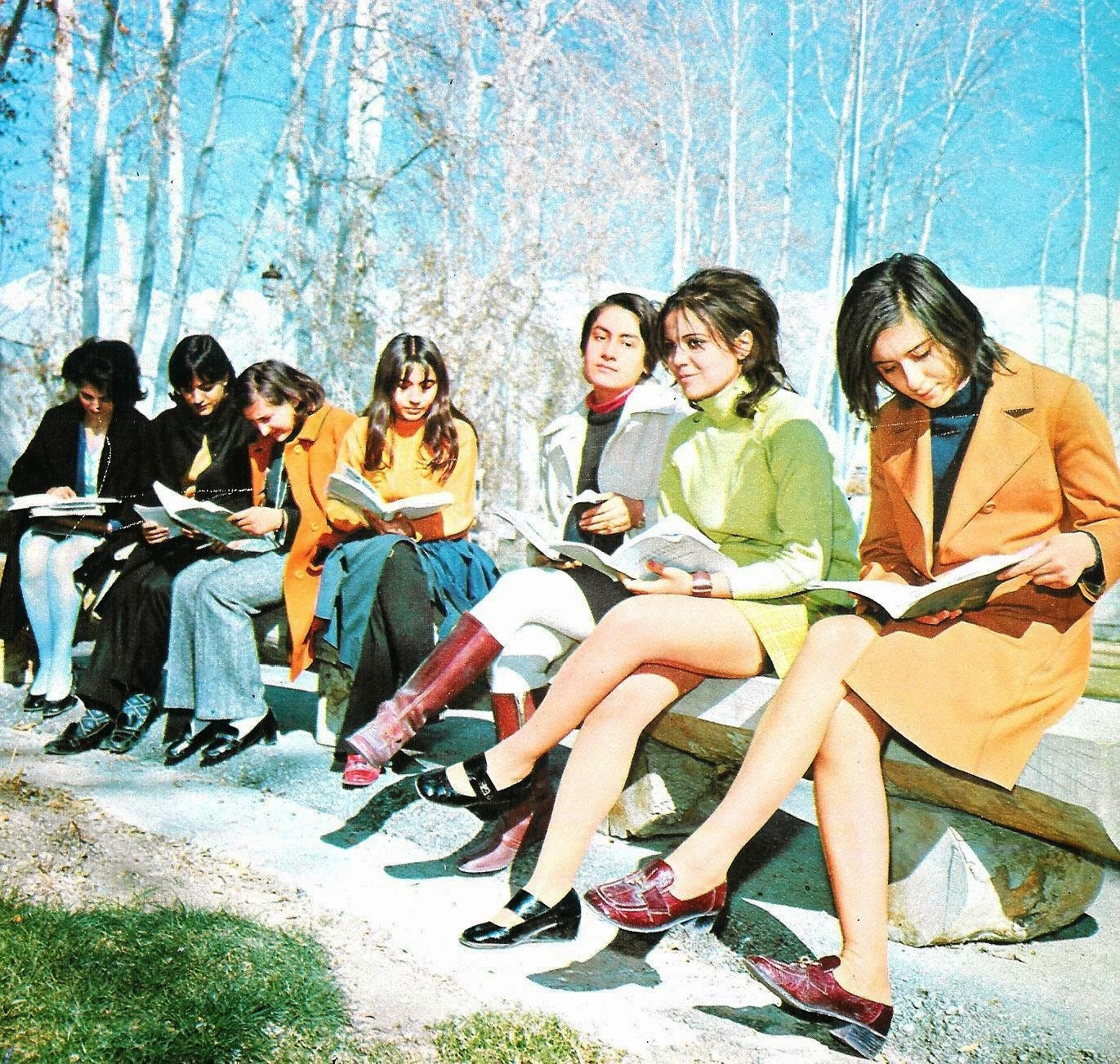
(Tehran University students in 1971)
Julie: Exactly. And at the same time, people are being killed, property destroyed, livelihoods trampled. It’s heartbreaking and excessive, brutal and costly. The destruction is devastating. None of this is okay. None of this is to suggest that we support war or violence or cruelty. And also maybe the rebuilding will come with freedom and justice? Maybe.
Speaking of which, I’m spending time this week in the American South, visiting civil rights monuments and museums and immersed in conversations about our painful past and the throughlines to today. It’s hard to sit with the stories of the many lives lost. It’s inspiring to be reminded of the courage and heart of MLK, Jr., John Lewis, the Freedom Fighters, Ida B. Wells, Mary Church Terrell and so many others. And the progress they made was consequential.
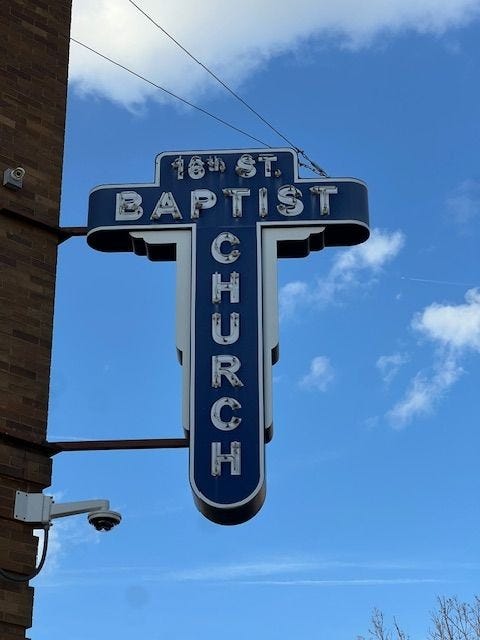
Yet, the rights that they fought for are being rolled back today. The Trump Administration is blatantly racist. It feels like so much that was won is being lost. And yet…
The Zen story reminds us that we have to keep holding the paradoxes. The both/ands. The wins and the losses. The two steps forward, one step back. And at the same time hold fast to our values. Especially love.
The other song in my head right now is Marvin Gaye’s 1971 What’s Going On:
Mother, mother
There’s too many of you crying
Brother, brother, brother
There’s far too many of you dying
You know we’ve got to find a way
To bring some loving here today, yeah
Father, father
We don’t need to escalate
You see, war is not the answer
For only love can conquer hate
You know we’ve got to find a way
To bring some loving here today.
Traci: “For only love can conquer hate” is right. It is a theme of the civil rights movement, and one we keep returning to over and over, because of the power of the hope we find there.
And while we’re talking about lessons from music, I’ll share one more that I think about every time we are faced with violence in the Middle East. – it’s Steve Earle’s iconic 2002 song, Jerusalem, written as we had undertaken a second war in the Gulf and reflecting a belief that despite the dangerous and deadly conflict happening at the time, peace was possible:
I believe there’ll come a day when the lion and the lamb
Will lie down in peace together in Jerusalem
And there’ll be no barricades then, there’ll be no wire walls
And we can wash all this blood from our hands and all this hatred from our souls
And I believe that on that day, all the children of Abraham
Will lay down their swords forever in Jerusalem.
We’ve been writing this substack for almost a year now, and we have often looked at current acts of resistance to find inspiration and hope. But I love this opportunity to look at art – music, storytelling, and monuments – as guides to help us recognize the now while we aspire to a better future. Will the path to something better run through this moment? Maybe.
This exchange is really insightful and thought-provoking. Thank you for writing it.